Cataract and retina surgery in Exeter

Vision correction specialist

Peter Simcock MB ChB DO FRCP FRCS FRCOphth

Services provided by Peter Simcock

I provide consultations and surgical services at Exeter Eye, based at Admiral House, Grenadier Road, Exeter, EX1 3QF, conveniently located close to Junction 29 of the M5. There is ample free parking available on site.

My surgical services include:

Cataract surgery, including toric intraocular lenses to correct astigmatism and premium lens options designed to reduce dependence on glasses.
Intravitreal injection treatments for a range of macular conditions.
Vitreoretinal surgery for patients with troublesome floaters, macular holes and epiretinal membranes.
I undertake two cataract surgery lists each month at Admiral House. A consultant anaesthetist is present to provide local anaesthesia, with additional sedation available for patients who would prefer it.

My injection clinics for the treatment of macular conditions are also based at Admiral House.

I am also pleased to offer vitreoretinal surgery at Admiral House, providing treatment for conditions such as significant vitreous floaters, macular holes and epiretinal membranes.

My aim is to provide high-quality, personalised ophthalmic care in a comfortable and convenient setting and will endeavour to provide the best possible outcomes for my patients.

I look forward to meeting you.

Peter

Problems we can help with

I have included a series of short videos to help explain the various eye conditions I treat and the treatment options available.

These cover cataracts and cataract surgery, as well as the medical and surgical management of retinal and macular conditions. My aim is to help you better understand your eye condition, the treatments available and what you can expect from them.

Cataract

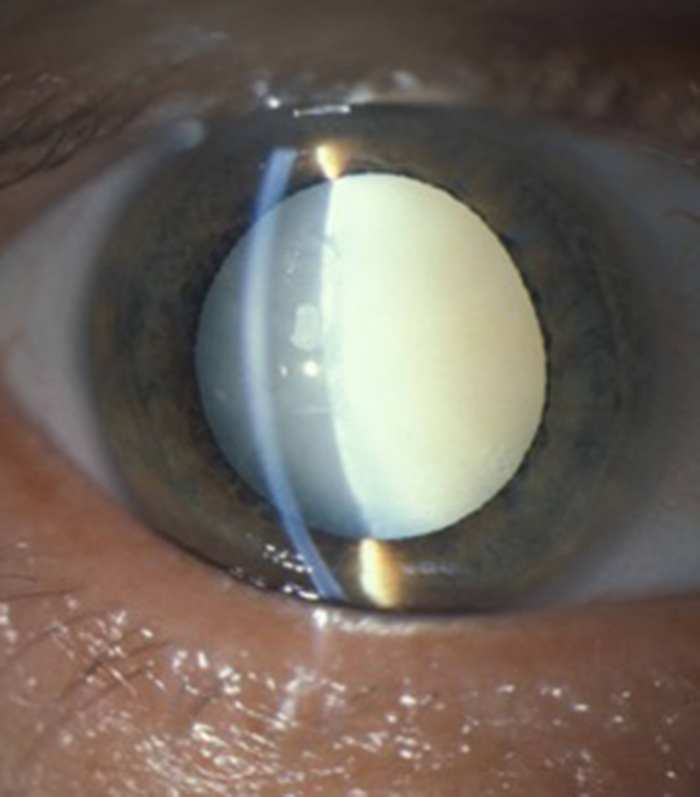
I offer advanced micro-incision cataract surgery, using the latest techniques to achieve the best possible surgical outcomes. I will discuss your individual visual requirements and lifestyle to help select the most appropriate intraocular lens for your needs.

Lens options include toric lenses to correct astigmatism and extended range of vision lenses, which can reduce dependence on glasses for a wider range of activities.

My aim is to tailor your cataract surgery and lens choice to achieve the best possible visual outcome for you.

Macular Degeneration

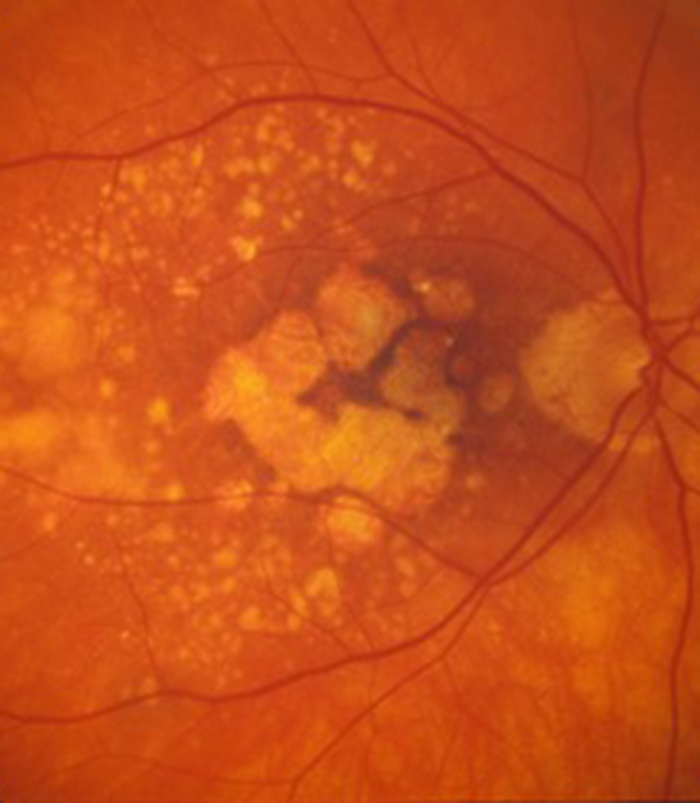
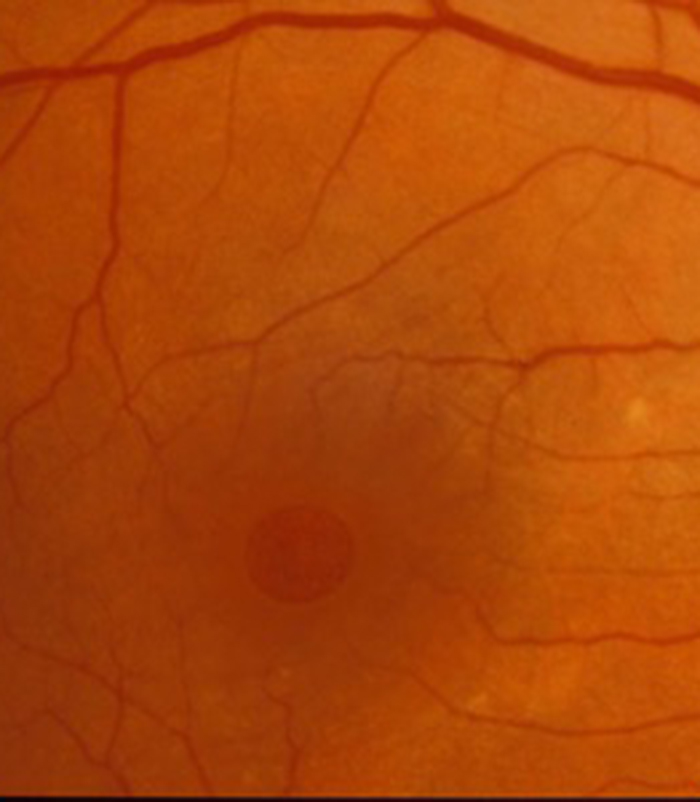
Patients with wet (neovascular) age-related macular degeneration can benefit significantly from prompt treatment with intravitreal anti-VEGF injections. These treatments help control the abnormal blood vessel growth and leakage that can cause damage to central vision.

I provide regular injection clinics to ensure that patients can receive treatment promptly and continue their injections at the intervals recommended for their individual condition. Timely treatment is essential to achieving the best possible visual outcomes and preserving sight.

Retinal Vein Occlusion

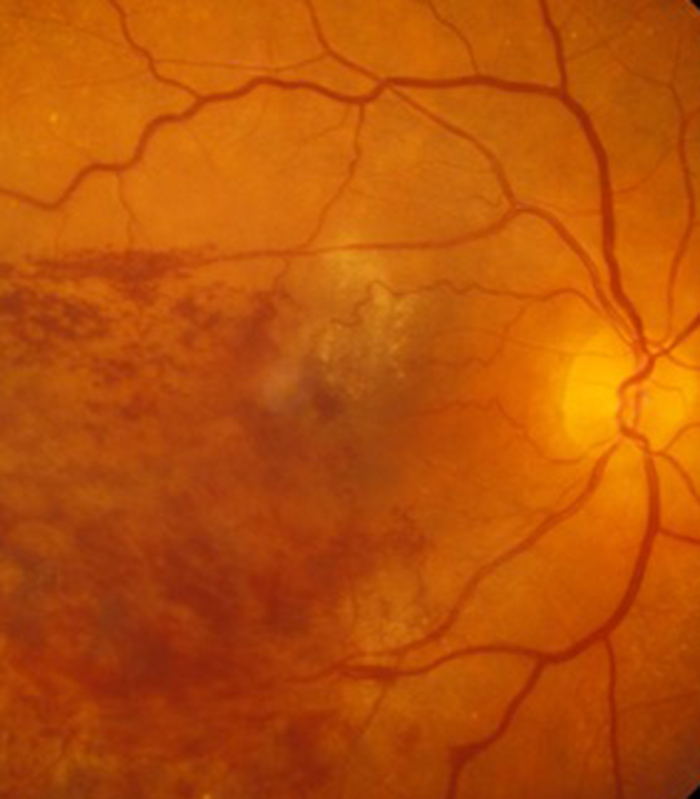
Blockages of the retinal veins (retinal vein occlusions) can cause significant visual disturbance, particularly when they lead to swelling at the macula (macular oedema). Depending on the severity and nature of the condition, treatment may involve intravitreal injections of anti-VEGF agents or steroid preparations.

These treatments are available at Exeter Eye, where I can assess your condition and recommend an individualised treatment plan aimed at improving or preserving your vision.

Diabetic Eye Disease

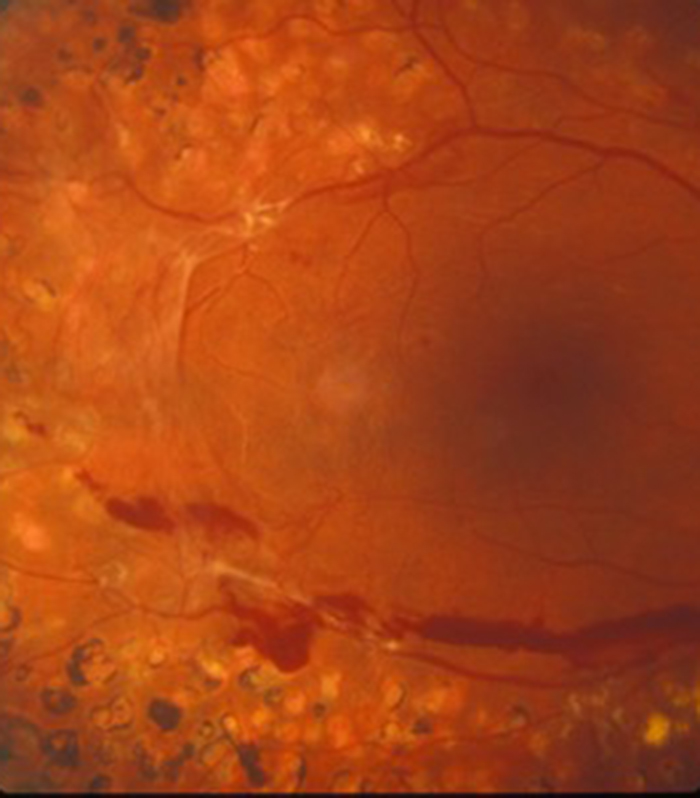
Diabetes is increasingly common and can affect the health of the retina, potentially leading to significant and sometimes permanent visual loss. Early detection and appropriate treatment are essential to protecting vision.

Diabetic eye disease can often be managed successfully with treatments such as intravitreal anti-VEGF injections or steroid injections, particularly when swelling develops at the macula. Regular monitoring is also important to identify changes and ensure treatment is given when needed.

Some patients require retinal laser treatment if blockage to circulation is a problem or if there is leakage away from the central area or the retina, this can be arranged at the West of England Eye Unit.

My aim is to provide timely assessment and appropriate treatment to help preserve your vision.

Macular Hole

Mr Simcock has extensive experience in macular hole surgery and has been at the forefront of developing and advancing surgical techniques in this field in the UK.

My approach incorporates removal of the natural lens at the time of macular hole surgery, where appropriate, to avoid the need for a separate cataract operation at a later date.

An important advantage of this surgical technique is that it can significantly reduce the need for prolonged face-down posturing following surgery. If the macular hole is small, no face-down positioning is needed or a limited period of just two days may be sufficient to achieve successful hole closure with most holes. Larger holes need longer periods of face down posturing but Mr Simcock's technique only requires a maximum of 5 days face down posturing for the large holes.

This approach aims to make macular hole surgery more convenient and less demanding for patients as well as avoiding a two operation procedure, without compromising the surgical objectives.

Epiretinal Membrane

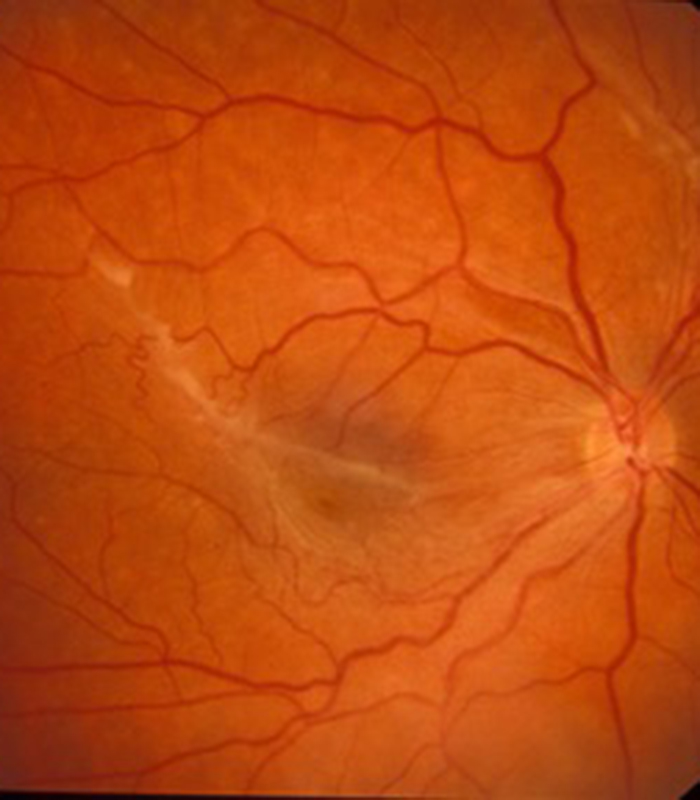
Scar tissue can develop on the surface of the macula (the central part of the retina), causing blurred or distorted central vision. This condition is known as an epiretinal membrane or macular pucker.

If the distortion or blurring is sufficiently troublesome, surgery can be performed to remove the scar tissue using a technique called vitrectomy. The aim of surgery is to improve the clarity of central vision and reduce visual distortion.

Many patients experience a worthwhile improvement in their vision following surgery, although the extent of recovery depends on the severity of the condition and the health of the underlying retina.

Floaters

Floaters are small shadows or shapes that move across your field of vision and are caused by changes within the vitreous gel (the jelly that fills the main cavity of the eye).

In most cases, floaters become less noticeable with time. However, for patients who continue to experience significant visual disturbance after at least six months, vitrectomy surgery may be considered. This procedure involves removing the vitreous gel, containing the floaters, to provide a clearer visual field.

Careful patient selection is essential. Suitability for surgery depends on several factors, including age (usually over 50), the nature and severity of the symptoms, and the condition of the vitreous and retina.

I will assess each patient individually and discuss the potential benefits and risks of surgery before recommending treatment.

What we can offer

I believe in providing honest, impartial advice and clear, straightforward explanations of your eye condition and the treatment options available. I will take the time to discuss the benefits and potential risks of each option, helping you make an informed decision about your care.

I am committed to delivering the highest standards of surgical care for patients with cataracts and retinal conditions.

Get in touch today


Or call my secretary on 01392 43 41 41

Latest from the blog

Have a read of my latest blog posts to find out more about what I do.

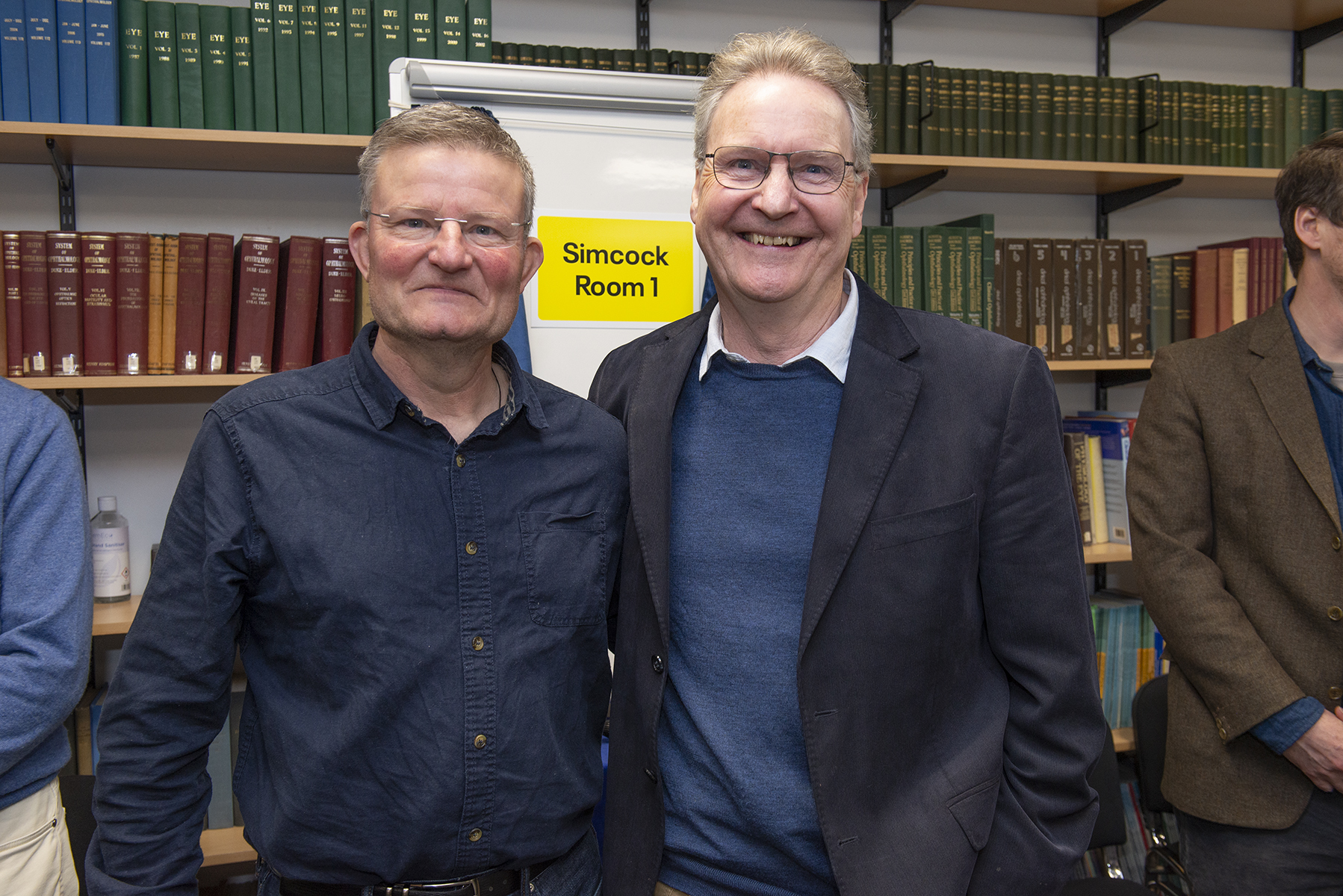
Mr Simcock gives an interview to Simon Madge on instagram

Mr Simcock gives an interview to Simon Madge on instagram

Simon Madge is a senior consultant ophthalmic surgeon and Director of the Hereford Vision Surgical Group. More importantly, he is a good friend and colleague whom I have known for many years, having worked alongside him at the West of England Eye Unit. He is someone I...